The Evolution of AI-Powered Video Editing Tools in 2026
Power Digital Media
Autonomous Intelligence
The Current Landscape of AI in Video Editing
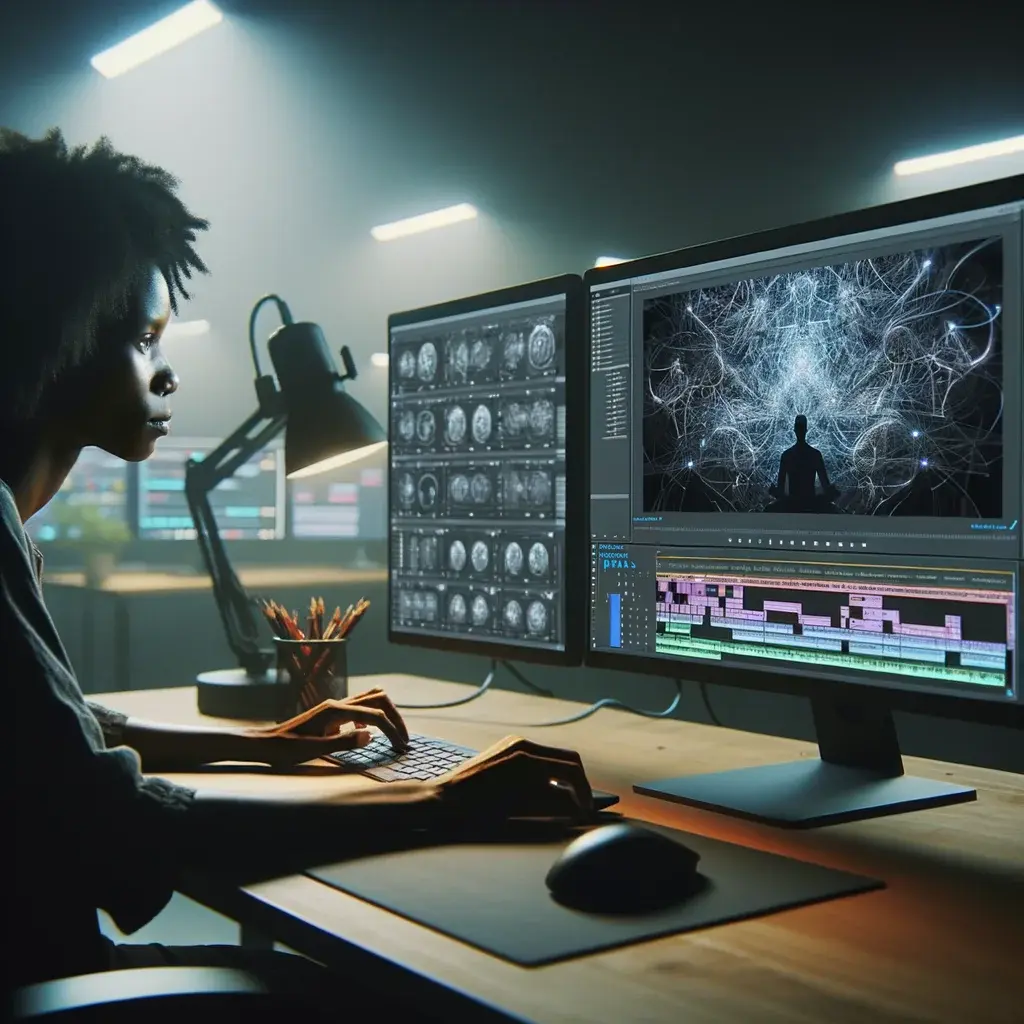
In 2026, the software ecosystem for video editing has seen transformative changes, driven by advancements in AI technology. Leading the charge are Adobe's Premiere Pro and After Effects, which have integrated cutting-edge AI tools to streamline workflows and enhance creative possibilities. According to a recent blog post from Adobe, these updates focus on major motion design upgrades and AI-powered editing features that empower creators to produce high-quality content with unprecedented efficiency.
The integration of AI in video editing tools is not merely a trend but a necessity as content creators demand more sophisticated and time-saving solutions. The AI-driven features in Premiere Pro and After Effects now include automated scene detection, real-time color correction, and advanced motion tracking capabilities, which significantly reduce manual editing time. As Nilay Patel from The Verge noted, "The integration of AI in video editing is akin to having a skilled assistant that enhances creative output while minimizing tedious tasks."
Industry-Leading Tools and Technologies
The incorporation of AI into video editing software represents a significant shift in the creative industry. These tools are designed to handle complex tasks that were traditionally labor-intensive, such as:
-
Automated Scene Detection: Utilizing machine learning algorithms, AI can now accurately identify and segment scenes within raw footage, allowing editors to quickly navigate and manipulate video sequences.
-
Real-Time Color Correction: AI-powered color grading tools can adjust and balance colors across scenes automatically, maintaining consistency and enhancing visual appeal. This feature is particularly beneficial for projects requiring a cohesive aesthetic.
-
Advanced Motion Tracking: AI algorithms now enable precise object tracking, even in dynamic scenes, facilitating seamless integration of visual effects and animations.
These technological advancements are supported by the robust processing capabilities of modern hardware. For instance, the latest Gemini 3 Pro and GPT-5.3-Codex chips offer exceptional computational power, enabling real-time rendering and editing of high-resolution content. The performance metrics of these chips, measured in TFLOPS (teraflops) and IPC (instructions per cycle), ensure that even the most demanding editing tasks are executed with efficiency and speed.
Enhancing Audio Production for Video Content
In conjunction with these video editing tools, audio production equipment has also evolved to meet the demands of modern content creation. The Rødecaster Pro II and Shure SM7B are industry standards that provide unparalleled audio quality for video projects. The Rødecaster Pro II, with its four combo inputs and dual USB interfaces, offers flexibility and high-gain preamps essential for capturing professional-grade sound. Meanwhile, the Shure SM7B, renowned for its smooth and flat frequency response, remains a top choice for broadcast and podcasting applications.
For those seeking a more compact solution, the Røde Streamer X combines professional audio interface capabilities with 4K video capture, making it an ideal choice for content creators who require a versatile and portable setup. The Streamer X's ability to handle both audio and video tasks in one device exemplifies the trend towards multifunctional tools in the creative industry.
The Impact of AI on Content Creation
The integration of AI into video editing and audio production tools is reshaping the content creation landscape. By automating routine tasks and enhancing creative capabilities, AI empowers creators to focus more on storytelling and artistic expression. This shift is reflected in the growing demand for high-quality content across platforms such as YouTube and Twitch, where creators are constantly pushing the boundaries of what is possible.
As technology continues to advance, it is expected that AI will play an even more significant role in the creative process. Future developments may include AI-driven scriptwriting, automated editing suggestions based on viewer engagement data, and personalized content creation tailored to individual audience preferences.
The potential of AI in video editing and audio production is vast, and as the tools become more accessible, we can anticipate a surge in innovative content that captivates and engages audiences worldwide.
Conclusion
The evolution of AI-powered video editing tools in 2026 marks a new era for content creators. With enhanced capabilities and streamlined workflows, these tools are transforming the way video content is produced and consumed. As industry experts and publications like TechCrunch have highlighted, the future of video editing is bright, with AI at the forefront of this exciting transformation.
For creators looking to elevate their audio production, the Rødecaster Pro II and Shure SM7B are available through our showroom, offering the quality and reliability needed to complement these advanced video editing tools. Explore these options and more to enhance your creative projects.
🛡️ Deploy the Protocol: Visit our showroom for the latest in audio production technology, including the Rødecaster Pro II and Shure SM7B, to complement your AI-powered video editing setup.
Begin Your Digital Legacy.
Our team is ready to help you implement these strategies and build a brand that lasts.
Schedule A Free Consultation